Innovator of Kinetic Lights


Photo Journal
of Monterey County and Light Art
Welcome! I’m Marlene Krueger, an educator, artist, and innovator. My story reveals an imprint between bridging the gap from nature’s beauty and inclusive learning.
During student teaching at the School of the Art Institute of Chicago, where I’m working on a MFA, I discovered how visual art can focus emotions. It’s from nature that inspired me to design custom kinetic light art devices that bring natural light into classrooms.
This website documents my two-day walking journey along California’s coastline, from Monterey Beach to Salmon Creek. As a teacher of Deaf, Hard-of-Hearing, and Special Education students, I feel traditional learning spaces can be overwhelming. Many students sadly struggle with sensory processing, relaxation, and focus. Because my students hold the world in their hearts differently, I express myself about nature through an immersive, multi-sensory lens. In my site, you’ll find stories that describe the coastline’s appearance, feel, smell, and history.
Through my three hundred word walking stories, vibrant photography, and historical facts, I aim to create a calm, low-anxiety space. I whole-heartedly invite you to join me, even if you’re a student searching for peace, an educator looking for creative ways to engage diverse learners, or a nature lover. May the iridescent colors, coastal mists, and quiet trails help you ground your mind, and discover the healing power of nature.
Along the Coast of Monterey County
Stories
It’s like stepping into a living painting, where dynamic coastlines, nature’s wonders, and historical stories unfold before your eyes from Monterey Beach to Salmon Creek, Big Sur.
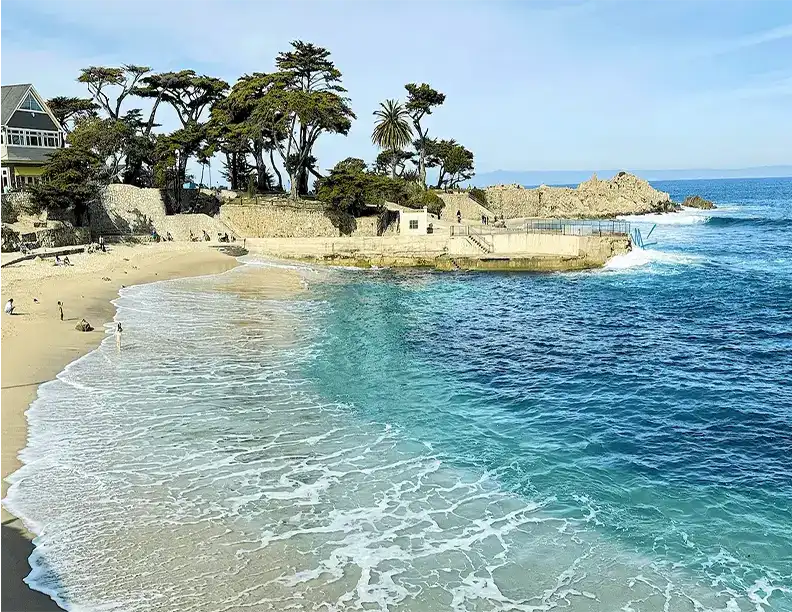
Expressive Waves at Pacific Grove
The vast, shifting blue of the bay reminded me that learning shouldn’t be confined to a static desk. It was here, watching the rhythmic pulse of the tide, that I realized at-risk students needed an educational anchor that move with them—sparking the very first blueprint for my kinetic light devices.
Read More →
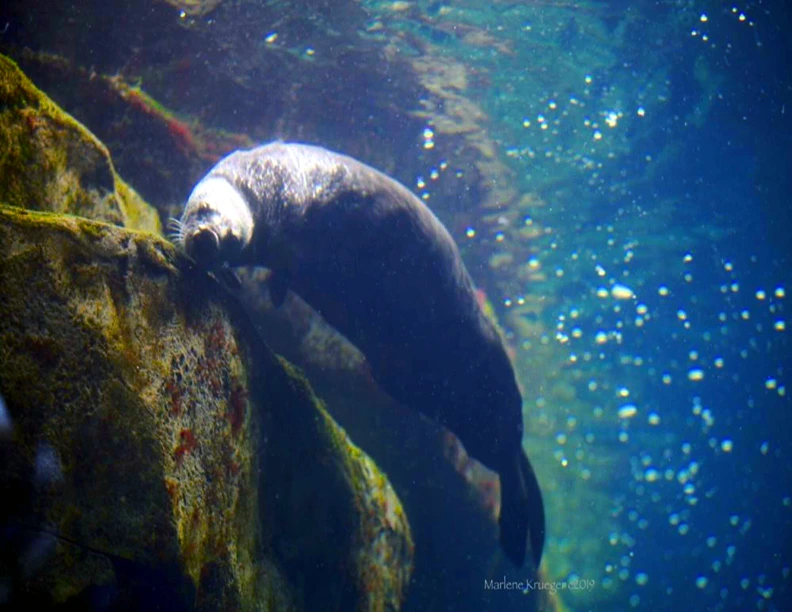
The Sea Forest at the Monterey Bay
Hiking along the Monterey trail, looking out to see the teal blue water, a sea otter from time to time bobble its head to have a look at us. These otters survive harsh environments daily. This view inspired me to build kinetic prototypes that are physically durable yet beautifully intricate, proving that strength and art can coexist.
Read More →
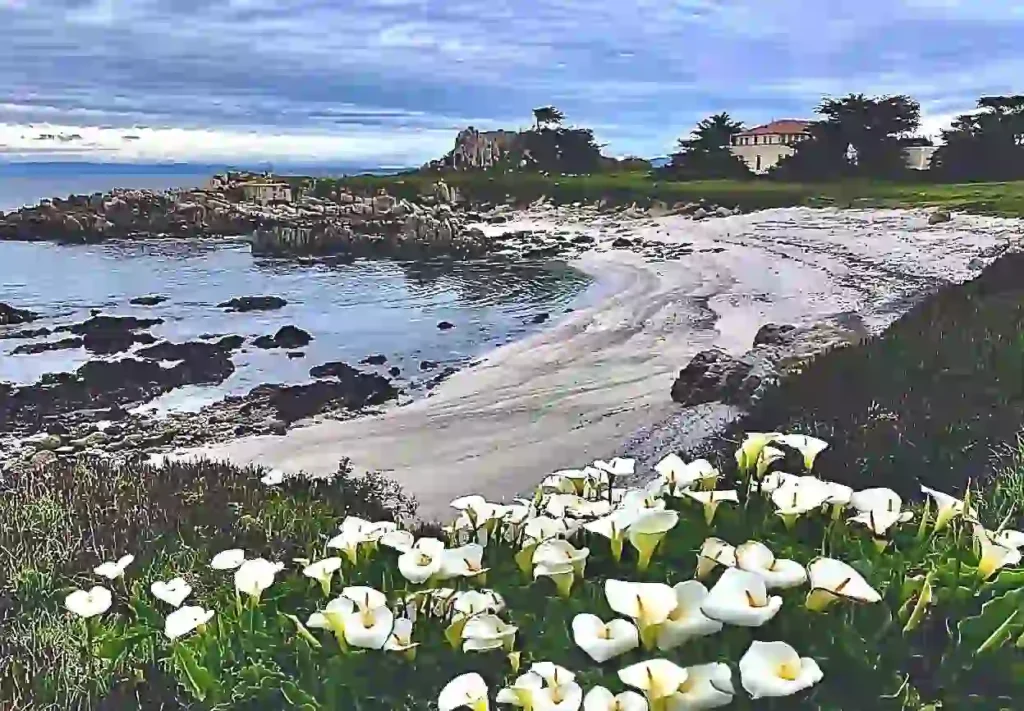
Calle Lillies by John Hopkins Marine Station
Watching a pristine ribbon of water drop endlessly onto an untouched beach shifted my entire engineering approach. My light art devices couldn’t just be static lamps; they needed fluid, continuous motion. The idea of waking by a marine lab reminds me of how we can also research for students in such a way to inspire, to find ways of being with nature.
Read More →
A Step In Time
Stories
Just like painting a picture, we can expand our horizons and create a vision larger than life, were we take one brushstroke at a time revealing the hidden colors of nature .
I walk along a path illuminated from the reflections of the sky, I feel as if I am a part of history on the verge of transitioning into the present.
For centuries, the Rumsen Ohlone people have dreamed along these rocky shores, leaving behind deep shell mounds nestled within the roots of twisted cypress trees. A place where one day a child will find, like the iridescent shells, profound ideas that will shape the present.
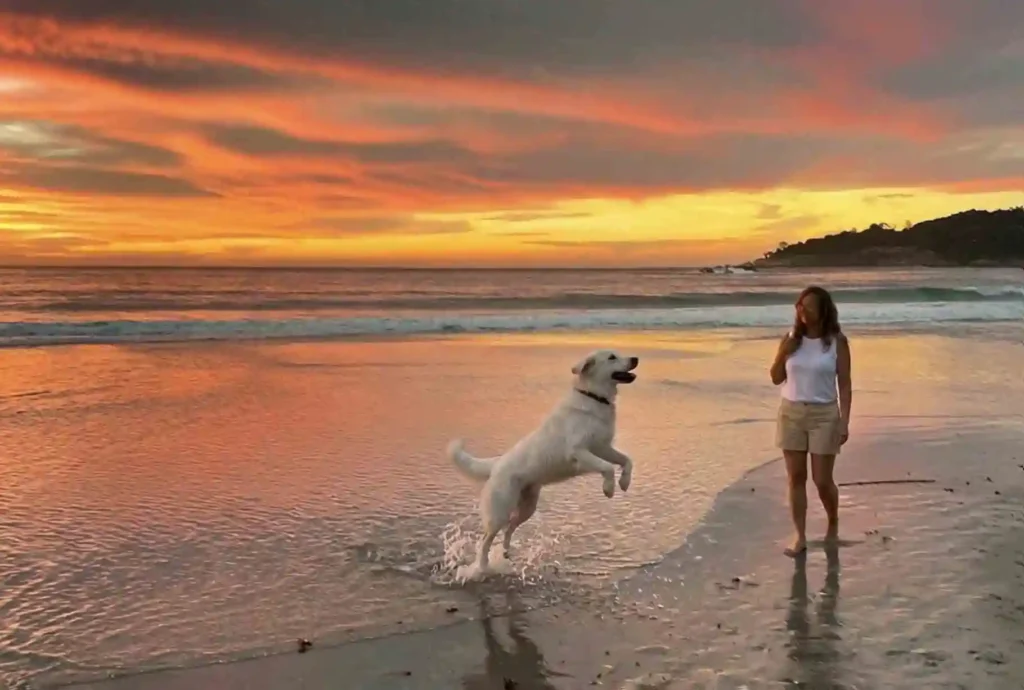
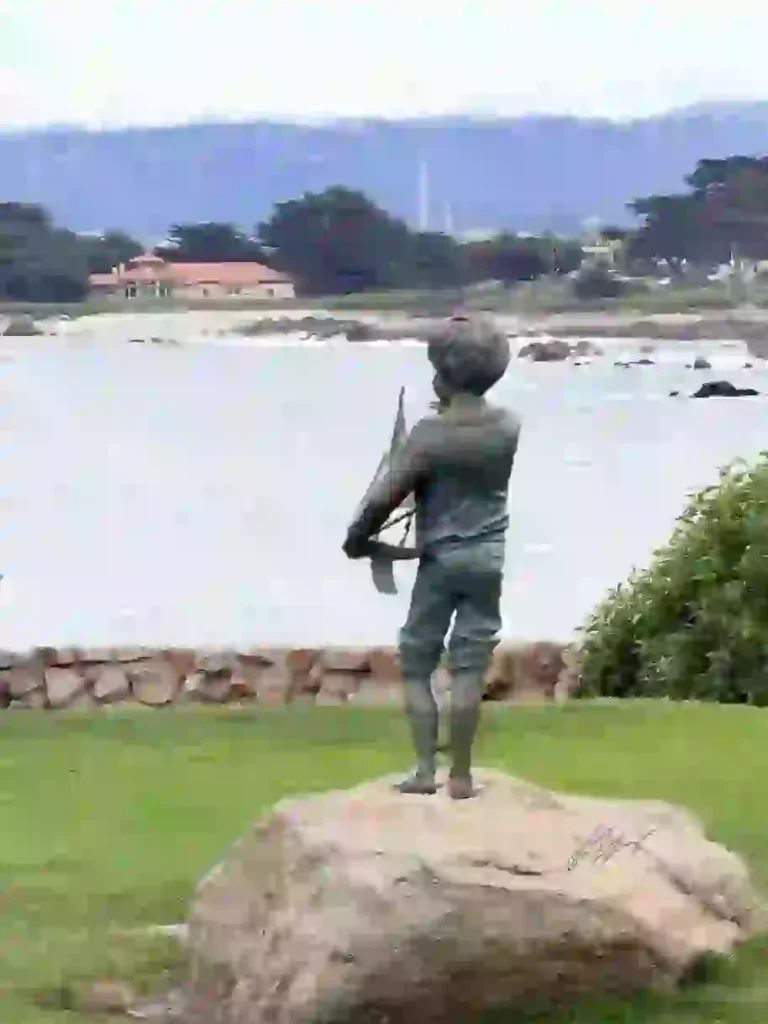
Capturing History at Lover’s Point: Where Art Meets Marine Science in Pacific Grove
If you stand at eye level near the shoreline, your camera can frame a visual narrative: a detailed bronze statue of a young boy holding a toy sailboat, looking directly across the waters of Monterey Bay toward the Hopkins Marine Station.
There’s a viewpoint that brings me back to 1892, looking at the Hopkins Seaside Laboratory. We must understand that the ground beneath the statue is hallowed science soil. During this time, Stanford University opened the Hopkins Seaside Laboratory here, then known to locals as Point Aulon.
Bright Shapes, Bright Future
“Growing up in a ranch when I was six, I’d roam freely through rows of translucent sweet peas glistening from the sun light.
A flood of light beamed, as I picked up one of the translucent pods, as if reassuring me. A connection with nature enveloped me, and the pain I had experienced earlier disappeared.
Since that moment, I’ve been driven by an unwavering desire to recreate that timely experience for others to experience.” Read More →
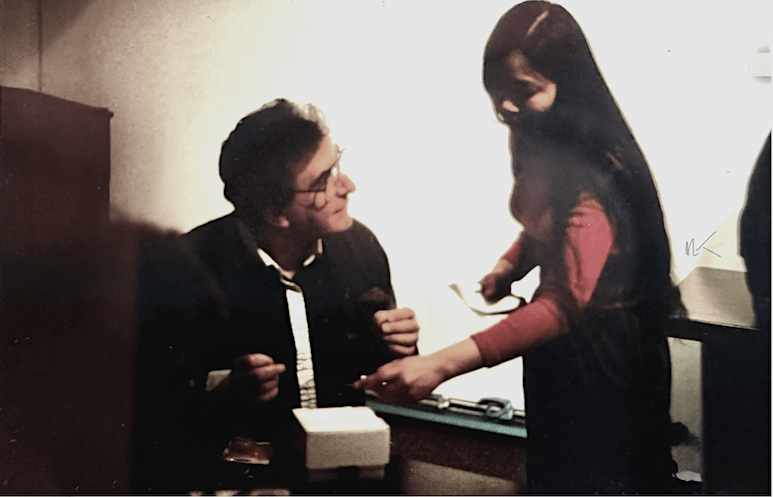
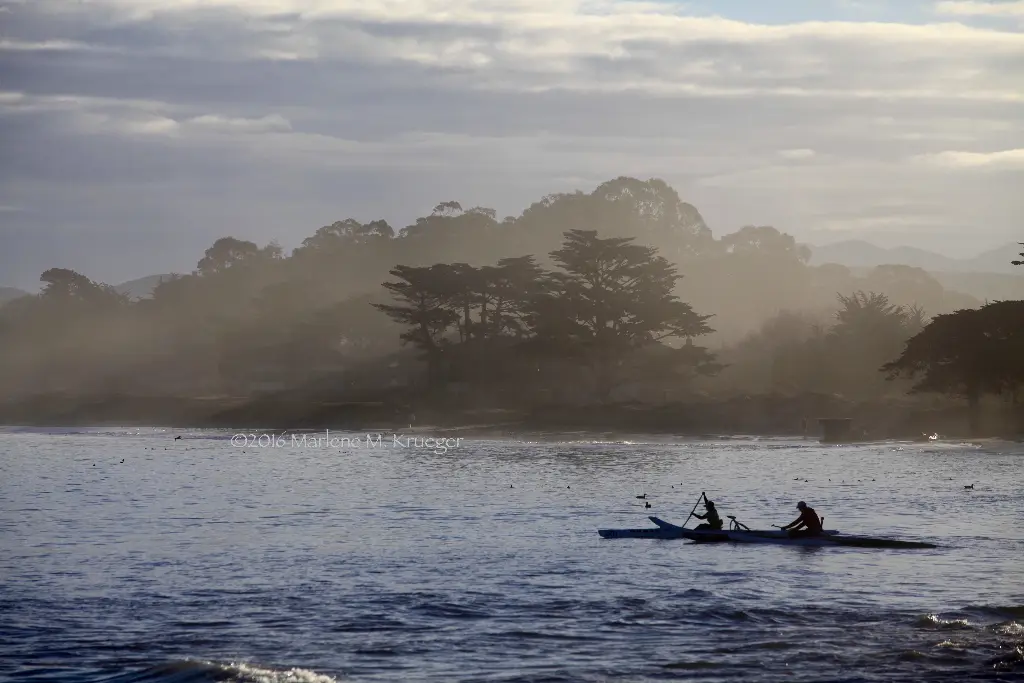
“The Monterey Morning That Changed How I Teach Light”
The vast, shifting blue of the bay reminded me that learning shouldn’t be confined to a static desk. It was here, watching the rhythmic pulse of the tide, that I realized at-risk students need educational anchors that moved with them—sparking the very first blueprint for new ideas.
Read More →
Humpback Whale Breaching at the Monterey Bay
Along the Pacific grove trail, looking out to see the teal blue water, a humpback whale suddenly breached, surprisingly. Its eyes towards us. These whales survive harsh environments daily. In reality, they face mortality.
Read: The Fallen Giant at Hopkins Marine Station: Processing Hidden Burdens →
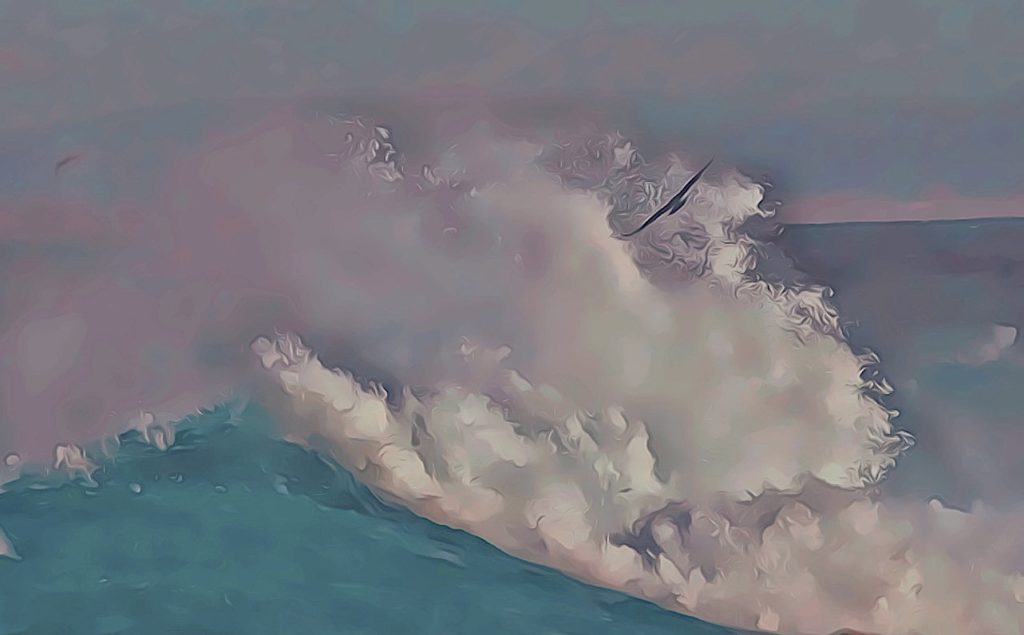
The High Tide That Inspires”
The vast, shifting blue of the bay reminded me that it was here, watching the rhythmic pulse of the tide, that I realized students need an educational anchor that move with them. That spark the very first prototype for projects I can present as a gift for my students who wish to be present in nature.
Read: Blue Waves of the Bay→
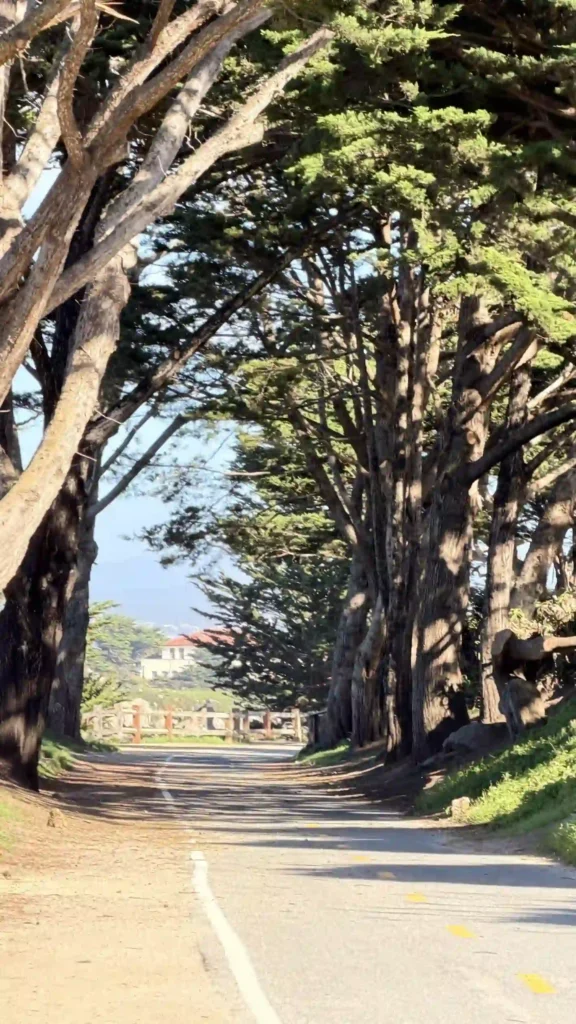
On a trail at Pacific Grove, whether you’re a hiker, cyclist, or someone who prefers a peaceful evening under the stars, people genuinely appreciate the natural beauty surrounding them.
If you happen to peer toward the bay, you can see whales feeding near the shore. The Monarch Sanctuary is another place that highlight a variety of life in the area. For a real connection with the sea, Lovers Point is the place to go for picnics, barbecuing, sunbathing, or kayaking.
Walking around town, you’ll be charmed by the colorful Queen Anne cottages lining the streets, with their welcoming porches looking out at the amazing waves of Lovers Point. The town’s calm Victorian style, which tries to keep away from the busyness of nearby Monterey, makes it a peaceful place where you can relax and enjoy a beverage, or snack.
As the evening comes, a traveler wanders down Lighthouse Avenue. The old brick buildings, standing strong for over a hundred years, give off a feeling of nostalgia. The fresh smell of pine needles mixes with the cool sea breeze, creates a magical scent that takes you back in time. Here, history is all around you with protected Monarch sanctuaries, in a town perfectly balanced between the forest and the sea. Read More →
The Evening Coast
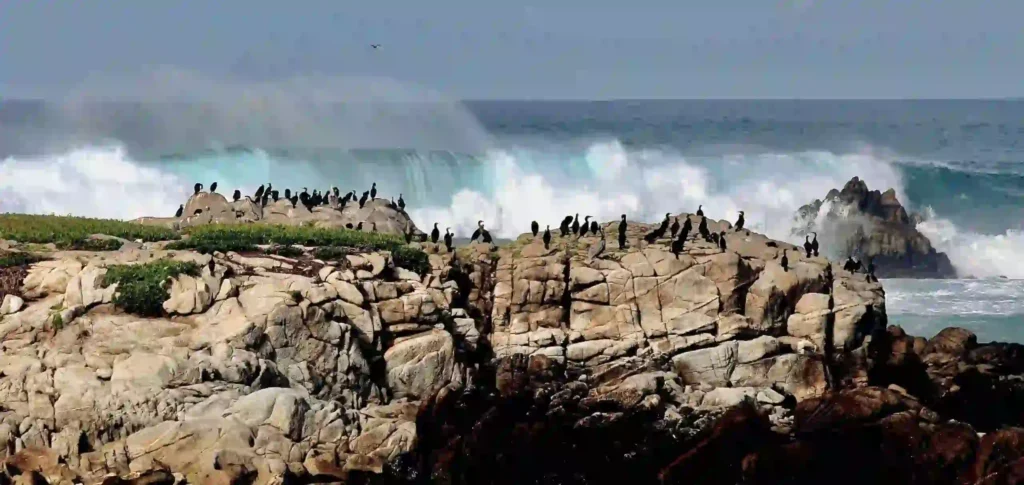
The sky is turning into a dark subdued blue, with translucent white mist from the waves spraying up to the sky. There forms for a light haze whispering across the sky. Watching the haze, as an untouched beach shifted into a glowing effect that is remarkably soothing. I imagine the eyes of my students, who have never in their lives see, feel, or hear a fluid, slow continuous motion. A vision that is unforgettable, the cormorants in the picture create a type of life we could only be curious about, of finding a way to translate this beauty for everyone to see.
Point Pinos →
🦋 Historical Heroes: The Butterfly Detectives (Dr. Fred & Norah Urquhart)
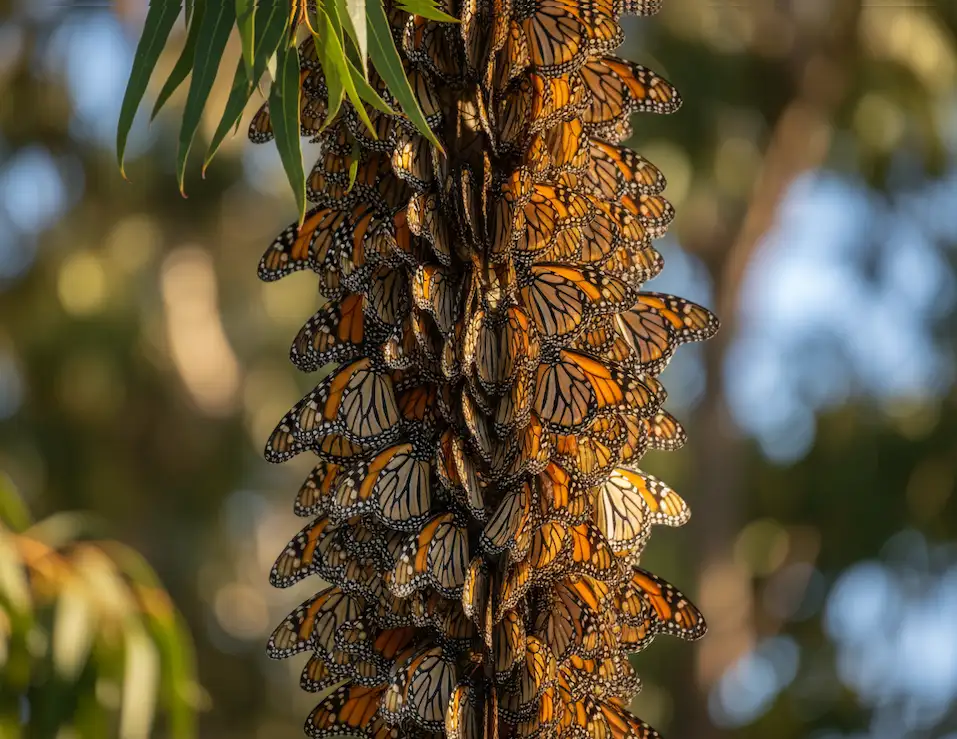
For a long time, the Monarch butterflies of Pacific Grove held a massive, international secret. Scientists knew millions of butterflies arrived in California and Mexico every winter, but because butterflies are so small and fragile, nobody knew exactly where they came from or how they found their way. Read More About The Butterfly Detectives →
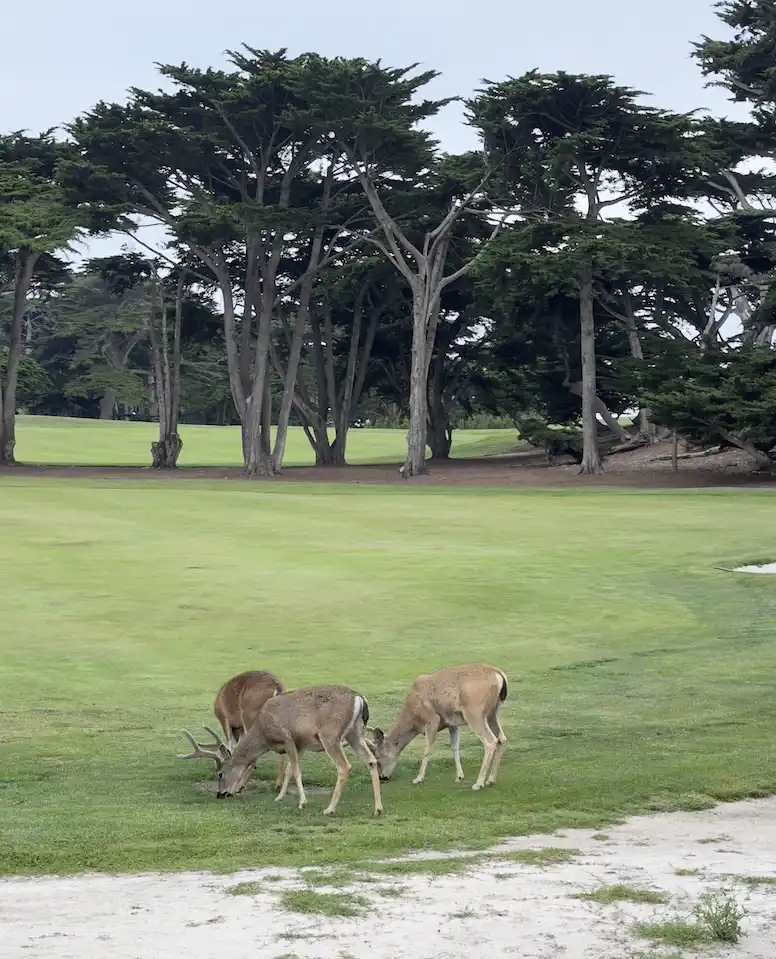
The Del Monte Forest Sanctuary: Engineering Order From the Woods
Leaving the open coast of Pacific Grove to enter the dense, winding canopies of the Del Monte Forest changes the entire sensory experience of Highway One. The crashing symphony of the Pacific Ocean suddenly softens, replaced by the hushed, protective stillness of ancient Monterey Pines and dramatic Monterey Cypress trees.
The Columbian Black Tailed Deer foraged towards the shaded sanctuary. I watched the sunlight filter through the dark branches, casting delicate, shifting geometric fractures of light across the forest floor. As an educator, this sudden transition from the bright, chaotic coastline to the quiet, structured woods felt profoundly symbolic. It was the exact environment I needed to solve a critical design challenge for my at-risk students.
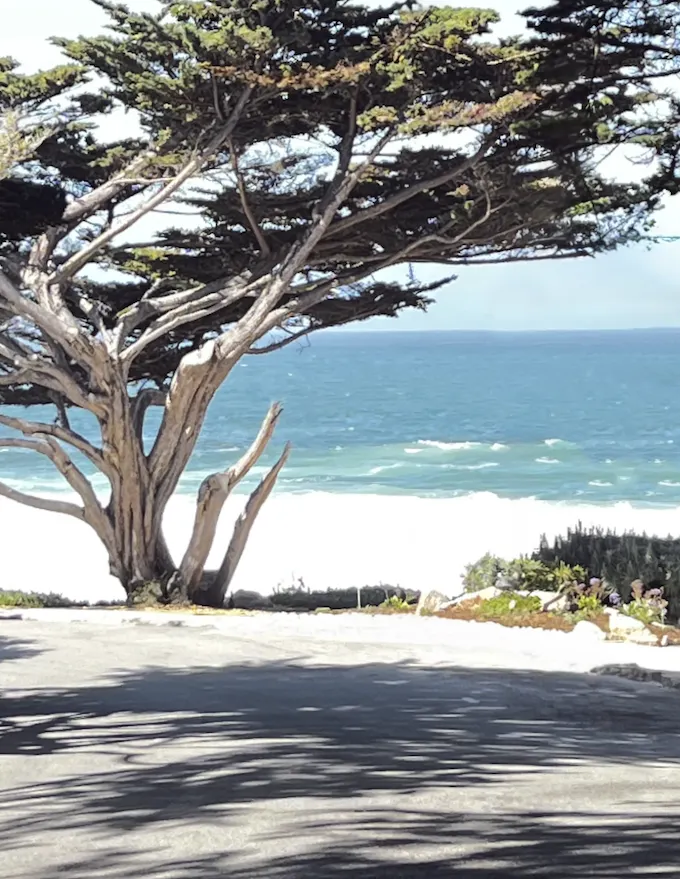
The Sands of Carmel: Designing Spaces for Emotional Softening
Emerging from the dense canopies of the Del Monte Forest, the landscape opens dramatically into the pristine, brilliant white sands of Carmel Beach. Watching the gentle, crystalline waves roll smoothly onto the shore, I noticed how the soft, fine sand catches and diffuses the coastal sunlight, transforming harsh glare into a warm, inviting glow. There are no jagged rocks here to break the water; instead, the shoreline gently absorbs the energy of the Pacific. .Read more →
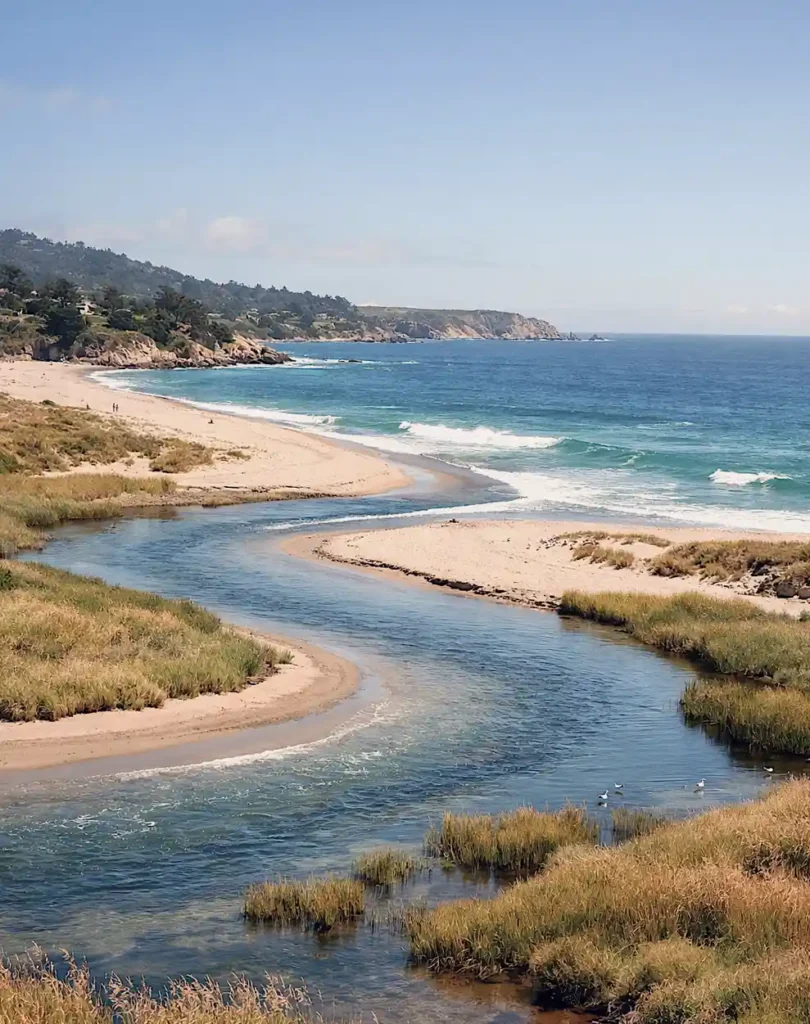
Carmel River State Beach: Navigating the Riviera of Two Worlds
Moving around the rocky cove to the sweeping marshlands of the Carmel River State Beach brings a completely new ecosystem into a story. This is where the rushing fresh water of the Carmel River cuts through the sand to meet the salty tides of the Pacific.
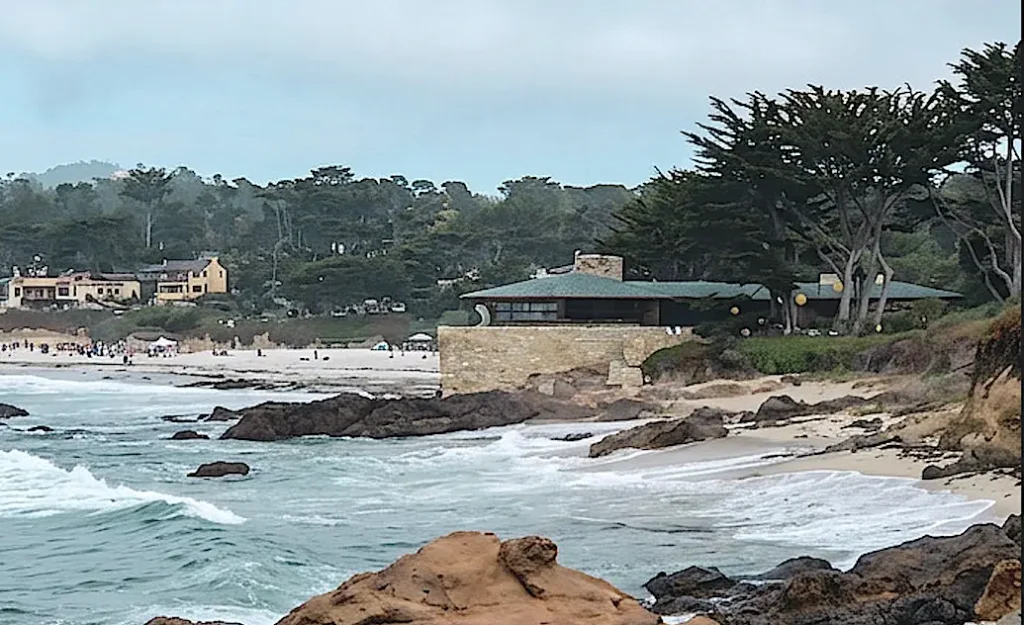
As I continue along Carmel I study the unique blend of homes with its’ history, and aesthetics. A ship’s bow cutting through the Pacific Ocean is seen from the beach. Local Carmel stone is used with a green copper roof, it blends with the sea and rocks. The architect Frank Lloyd Wright embodies the fundamental philosophy of “Organic Architecture.” He believed that buildings should harmonize with their natural surroundings. Read the full story on how Frank Lloyd Wright’s organic architecture inspired my prototype casings… →
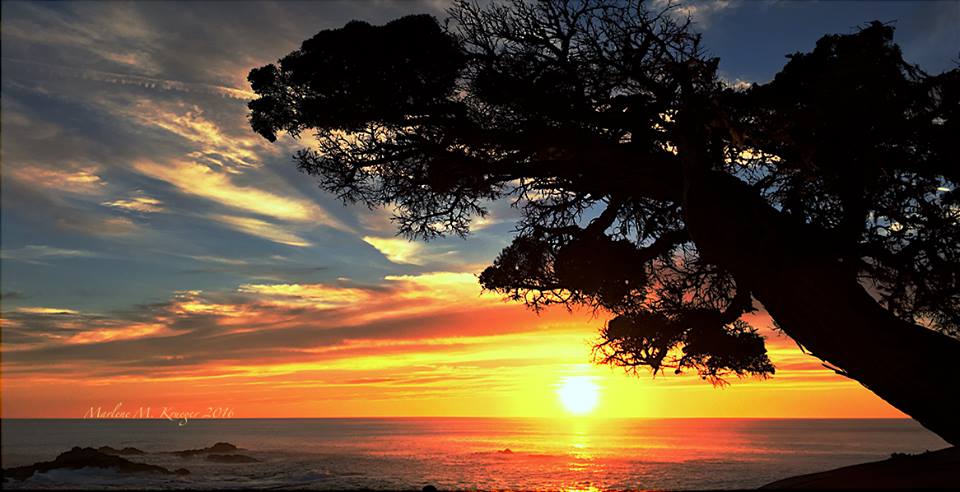
The coastline shifts dramatically as Highway 1 approaches the jagged, wave-battered headlands of Point Lobos. Walking along the exposed cliffside trails, I found myself surrounded by the ancient Monterey Cypress groves—rare, sculptural trees that have spent centuries clinging stubbornly to bare granite rock, directly exposed to the fierce winds of the Pacific.
Read the full story on how the jagged cliffs of Point Lobos built my resilient light frames…→
Bixby Creek Bridge: Arch of Moving Light and Waves
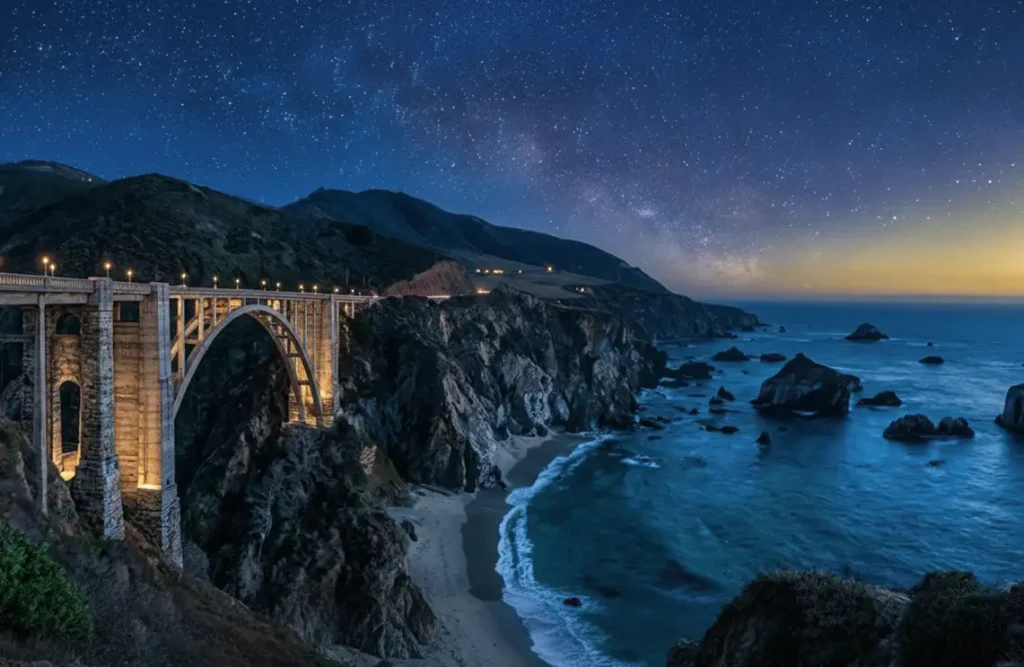
Approaching the sweeping concrete span of Bixby Creek Bridge, I was struck by the colossal and graceful arch bridge that spanned an otherwise impassable canyon. Towering hundreds of feet above the Pacific surf, it stood as a testament to the remarkable ingenuity of humanity. Designed specifically to conquer a deep and terrifying divide, Bixby Bridge became an inspiration for the kinetic light art future inventions. Read More →
Sanctuary for Quiet Minds:
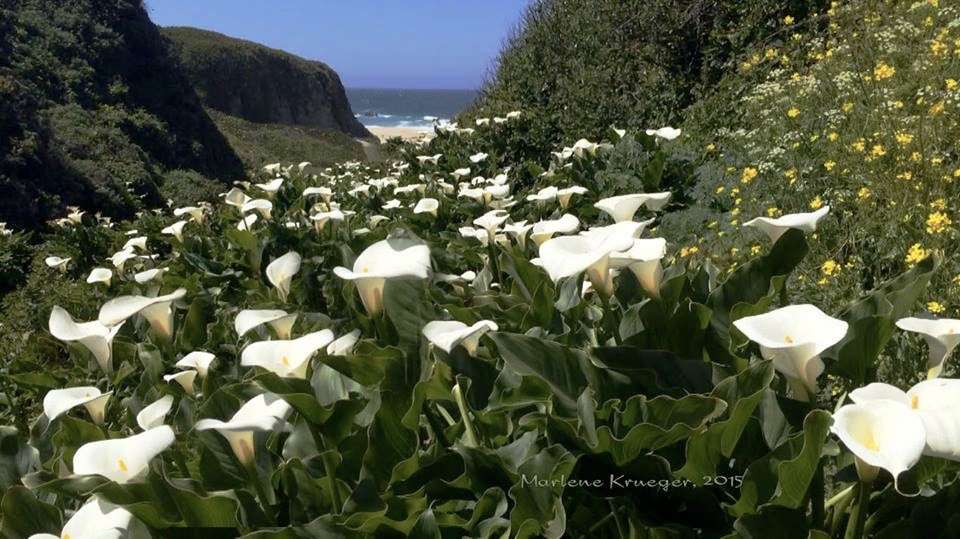
The drive south from Bixby Bridge, through the cliffs of Highway 1 opens to a hidden ravine called Calla Lily Valley at Doud Creek. Walking the steep trail into this creek bed feels like finding a secret paradise. Thousands of pure white calla lilies grow wild along the fresh stream, creating a vibrant aura of life, steps from the ocean. How these flowers flourish in the ravine’s deep reminds me of how I would approach my quietest, most vulnerable students. Read more about Calla Lily Valley
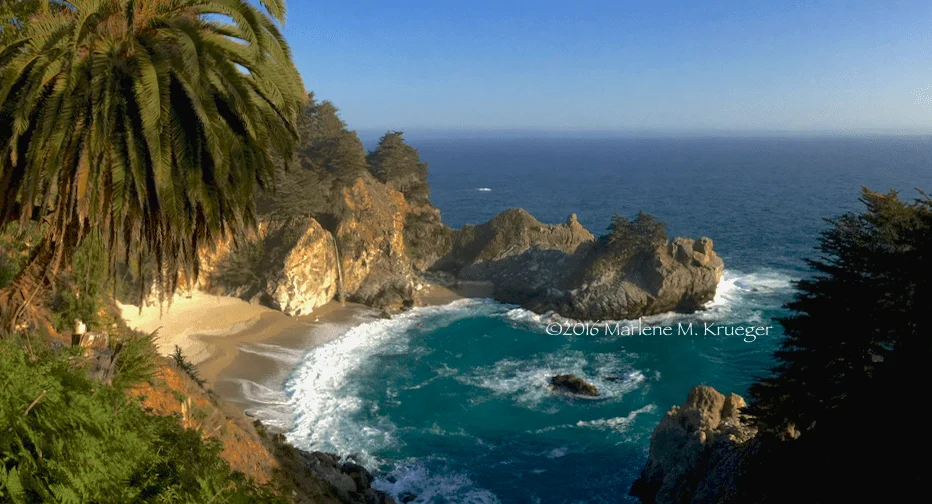
Moving south down the highway, my journey reaches the crown jewel of the Big Sur coast: McWay Falls in Julia Pfeiffer Burns State Park. This location is legendary because an 80-foot ribbon of water drops endlessly over a granite cliff directly onto an untouched beach in a hidden, turquoise cove.
Read the full story on how the continuous motion of McWay Falls inspired my internal gear mechanics…
Kinetic Art on Location
High above the Pacific Ocean, Marlene Krueger creates her kinetic art by moving her hands across a translucent canvas. As the leaves of the swaying tree dance and cast shadows, a vibrant mixed media display comes alive. At the same time, the translucent canvas reveals refractive colors, thanks to a motor and filter that bring the piece to life. It’s like a performance in motion!

Marlene, an innovative contemporary artist, seamlessly blends electronic engineering, kinetic art, and visual illumination in her experiments before presenting a mini version with her students. By bridging the gap between fine art and technical invention, she challenges traditional sensory boundaries through her celebrated experiments with light mechanisms, motorized prisms, and kinetic light. The open coast of Big Sur transforms the sensory experience. The crashing symphony of the Pacific Ocean softens, replaced by the hushed, protective stillness of Sycamore and Monterey Cypress trees. As she stand under the shaded sanctuary, the sunlight filtering through the dark branches casts delicate, shifting geometric fractures of light from the leaves to her hands.